Book Review 2025.10: Coaching and Mentoring, What they are and how to make the most of them (2010), Paperback 214 pages, June 6, 2025
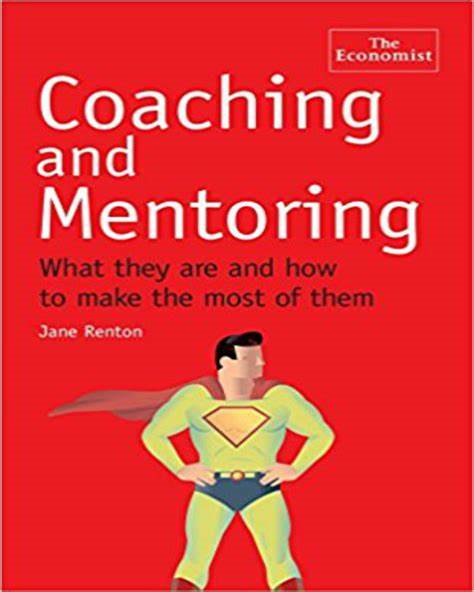
Picked it up being the first book on Coaching and Mentoring that I came across in recent times. Having been identified to coach /mentor, I felt the need to learn more about these concepts. Despite the fact that I was familiar with these concepts for most of my life, I had no occasion to critically examine it which I thought is essential for any practioner. While this book did not meet my specific needs, it did make me introspect and reflect on may aspects of coaching and mentoring that hopefully will make me better at these opportunities.
The author delves into the origin of coaching and mentoring and the key ideas that have shaped the development of these two concepts providing a good base to start. Rest of the book is divided between the development of professional bodies formed to govern these professions in the USA and Europe and different elements of coaching. Picking the right coach, coaching and mentoring women, coaching and mentoring for leadership, the role played by the companies which use coaching and the future of coaching in health care and childcare dealt with in detail.
In particular I liked the use of case studies to illustrate different aspects at the end of each chapter, the focus on etymology of different concepts to highlight the essence of the term used making it memorable and insightful, a brief write up on the key contributors who have shaped how coaching is currently practiced. The time I took to read this relatively short book was much longer than expected, as this book introduced me to many new topics that led me to dig deep into them by browsing the net.
In particular I learnt more about the concepts of Appreciative Inquiry, The Mont Fleur Process adopted in early 1990s to develop a common vision for South Africa after the apartheid, Donald Kirkpatrick’s four levels of assessing the impact of employee development initiatives, among others. A major takeaway for me from this book is for each coach to reflect and write down their philosophy of coaching that underlines the three key elements -what is their basic belief about human nature, what they as coach bring to the engagement and what is the expectation they have from the person coached to get maximum benefit out of the coaching engagement.
Absence of what India and Indian mythology can offer on coaching and mentoring practice is a major shortfall of this book. For I believe the scant coverage of mentoring, despite its prominence in book title could have been addressed by looking at India, as the best example of mentors are seen here. Krishna-Arjuna relationship in Mahabharata, Chanakya-Chandragupta in Indian history, and in recent times Kanshi Ram -Mayawati in Indian politics among others offer enough material for analysis and developing a comprehensive framework for mentoring.
In conclusion, I found this book a good introduction to Coaching. The book is peppered with references to various other books that are essential reading for a serious practioner of coaching. I recommend this book to readers interested in coaching, while those looking for material on mentoring may need to look elsewhere.
Happy reading as we seek to try to help each other become better versions of ourselves.
For more book reviews and blogs visit my site www.shankarjagansworld.com.

Social Profiles