Degrees of Poverty
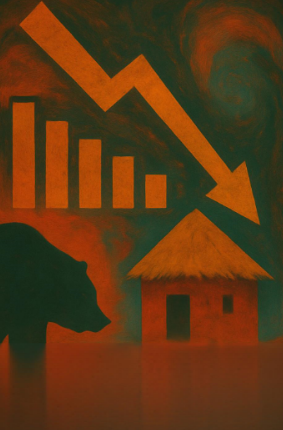
As a socialist at heart, the issue of poverty often engages me for I believe our birth is a lottery and in a different world our positions could be reversed. The plight of helpless, deprived poor children is most often the trigger, but etched in my memory is also a phrase from my readings decades ago, ‘pursuit of poverty’ where monks voluntary give-up comforts to live on the bare essentials.
Desiring to live in a more equal world, I have often explored this topic. I was quite surprised to discover clearly demarked degrees of poverty−penury, destitute, relative poverty and voluntary poverty. I believe a better understanding of these nuances is a prerequisite to eradicating it, for an equal society is a crime-free, if not a less-crime safer society.
Penury is the extreme poverty, where almost every type of need is unmet, be it food, clothing or shelter. As the bottom rung in the poverty ladder, even a full stomach once a day is a luxury that is threatening life itself. I believe a society where penury prevails cannot be termed a civilized society. If providing first aid to accident victims is a social duty, a society cannot be termed civil, it if does not eliminate penury.
Destitute is penury’s slightly better-off cousin. They lack something essential which is required for a dignified living. Often it is home. Being homeless, they lack an identity and an address that can give them the access to basic civil services available to other members of the society. If penury is life threatened, destitution makes their lives invisible.
In contrast to the absolute state of penury and destitution, poverty is a relative measure. Even with a roof over the head, adequate food and clothing, poverty exists. Lack of comfort and luxuries is the bane of the poor. Here it is not consumption quantity, but the quality and variety consumed that divides a society into rich and poor. Some difference is acceptable or even desirable in society for it spurs individual effort. But in extremes it can corrode social values and promotes crime, both the white-collared frauds and the more violent crimes.
In this world of choice, voluntary poverty is chosen. Think of monks, ascetics, and that minimalistic friend who opted out of the rat race to a world where less is more. They do not need social status or recognition to signal their worth. They often hold a mirror to remind us of thoughtless consumption.
I believe reducing poverty requires both personal and social efforts. Providing free food grains and subsidized food that the government of India does today to about 80 crore Indian address reducing penury, and the support for home building can resolve homelessness. But for fighting all the three shades of poverty on a sustained basis, quality education to children and universal health care is essential.
Good quality education is required to motivate children when they grow up to move ahead on the road away from poverty; education that helps children think and become aware of their own role in shaping their future. For this good quality physical infrastructure alone is not enough. I believe well-paid, enthusiastic, and passionate teachers are the need, if going beyond survival and realizing your potential is not just a winners’ prize in the lottery by birth.


Social Profiles