Book Review 2026.02: Human kind, (2019), Paperback, 399 pages, March 12, 2026
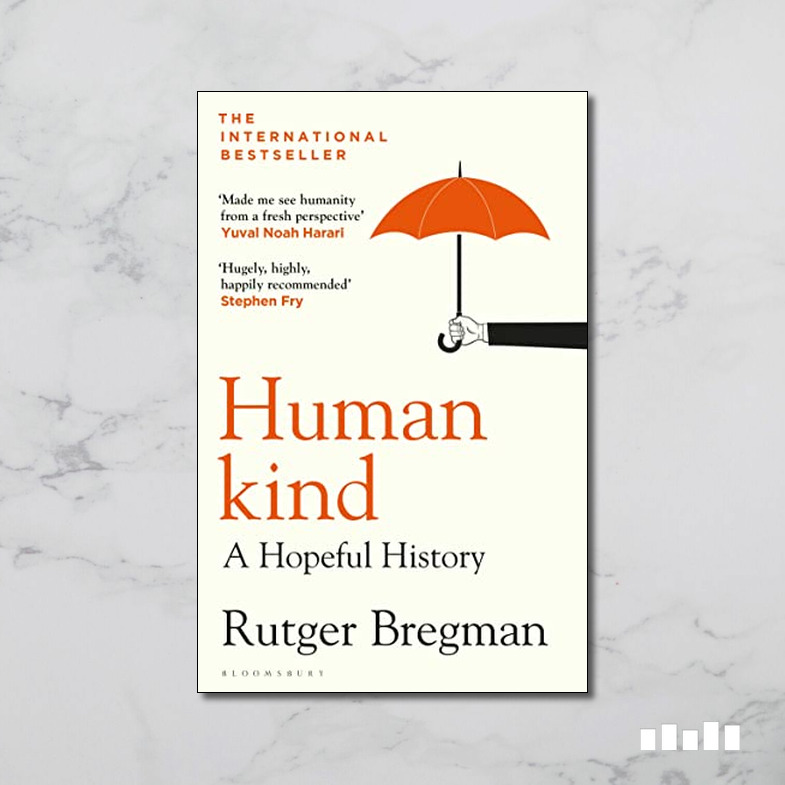
Picked up this book in my first book browsing haunts of 2026. After reading it, I feel I could not have picked up a better book for its optimism that is backed by evidence; limited, but significant. This book reinforces the optimism in me and cleared the rosy lens with which I view the world for better view.
The author starts by contrasting the two conflicting word views of human nature embeded in the Hobbesian view of a rational, self-serving individual in contrast to the Roussean view of a sensitive and compassionate individual. Highlighting how the Hobbesian view has prevailed over the last few centuries, the author presents evidence for why Roussean view should and will prevail going forward and how it benefits humanity. Given this aim, the books is a perfect read for the idealist and the innate optimist. Realists are more likely to dismiss this book as a sentimental and wishful thinking based on limited evidence.
Organised in five parts the book covers (i) thoughts on human nature, (ii) three shallow psychology experiments that shaped public policy on law and order in the 20th century, (iii) why good people turn bad, (iv) the new emerging realism especially in Nordic region and (v) the value of turning the other cheek. A powerful and impactful prologue sets the context for this discourse, capped by a crisp epilogue that lists ten life lessons and their rationale for creating a optimistic and happier world.
The author presents a wide range of evidence to support his views that covers a range of subjects from shallow psychology experiments that shaped the 20th century public policies like insensitive policing, harsh and inhumane punishments for prisoners in the USA and Europe, to experiments around the world that promote real democracy through participatory budgeting, new age schools that lets students explore their environment to learn and small self-managed teams that provide excellent healthcare service to their clients. The significant difference between the two sets of examples being their basic belief about human nature.
This book is a must read for all reflective individuals who have a deep sense of dissatisfaction with the state of the world we like in and believe we can do much better.
Happy reading as we work to create a more optimistic and happier place to live in.

Social Profiles